
The RADical Health Lessons That Outlasted Graduation
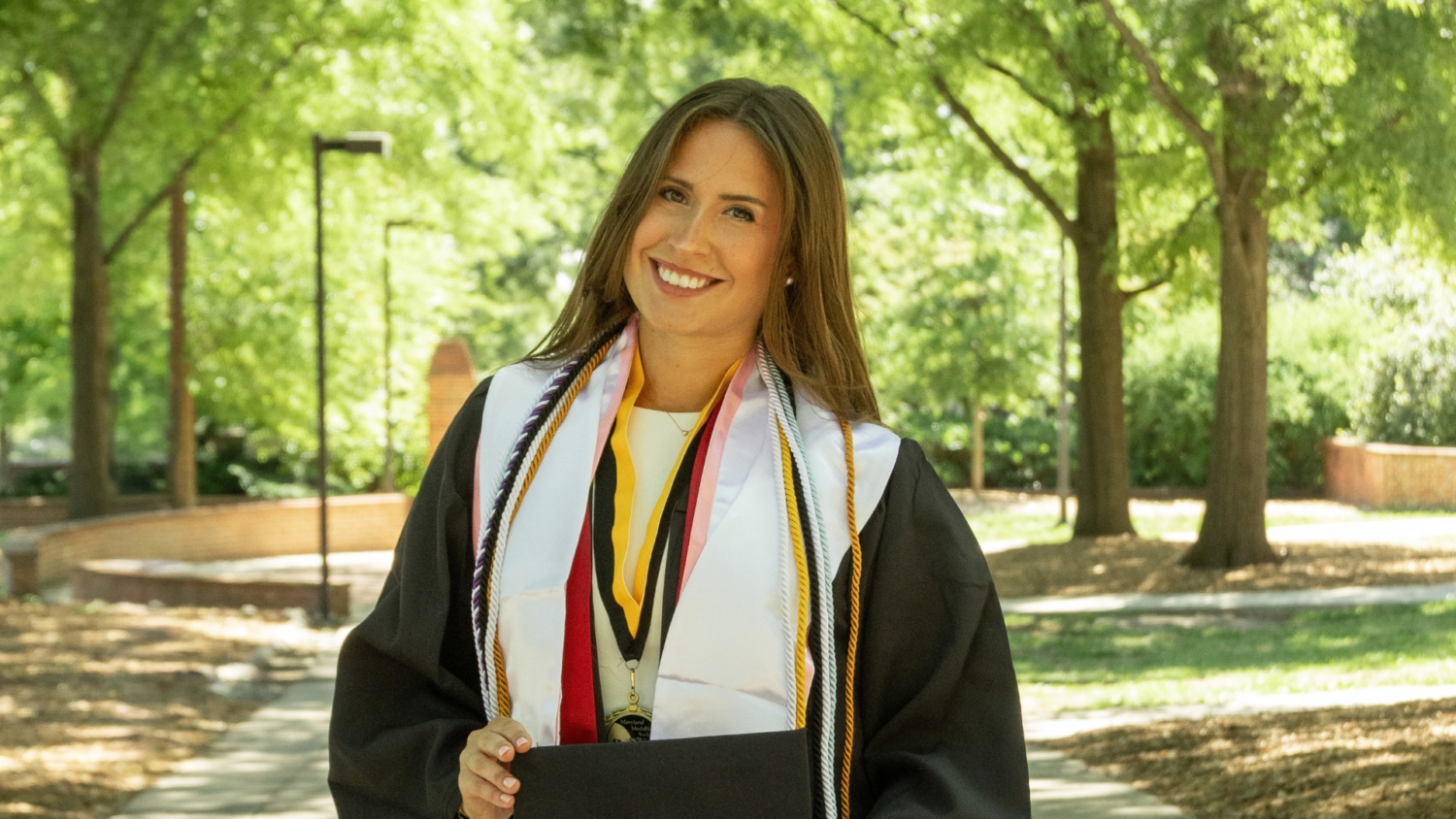
Ronja Marokoff’s undergraduate path at the University of Maryland College Park wasn’t easy. Moving to an out-of-state school while pursuing not one but two bachelor’s degrees demanded a lot.
“Adjusting to not only the academic discipline of college, but also just the social environment, was very hard at first, especially my first semester. It was really difficult to find that balance to be in an environment of very competent people that all have their own interests.”
Ronja’s path to RADical Hope looked a little different from most. As a freshman, she participated in a living-learning program. A couple of years later, Maryland implemented RADical Health and branded it as the ‘Take Flight’ program. Ronja was recruited to become the program’s first mental health peer leader, overseeing two cohorts as an upperclassman. Early on, she saw the value RADical Health offered younger students.
“One of the main benefits is giving the students a space to literally just form a relationship and have another friendly face. It’s already a really important part that you don’t get otherwise. Becoming more comfortable talking about not even sensitive subjects, but even just about yourself and each other is a really important skill to develop.”
Although Ronja didn’t participate in the program, she quickly picked up new skills through her leadership role.
“One of my favorite memories was people sharing how they calm themselves down or bring peace into themselves. That was my favorite because it taught you about the people themselves, but it also gave everyone else in the room another chance to try out someone else’s method. I took a lot away from even hearing the students talk about that.”
She also acknowledged the struggle of being vulnerable in a new setting, but encouraged students to push through fear, even when it was difficult.
“Just showing up is the most important part. Even if you don’t want to share as much as the person next to you, you’ll always benefit from hearing what another person thinks or how they are feeling. A lot of the time, reluctance comes from being uncomfortable, and maybe they’re out of their element, and that’s totally fine. Just the exposure of seeing other people do it and be comfortable sharing is something that they can take away from observing.”
Ronja’s journey with RADical Hope didn’t end at graduation. With two B.A.s in Public Policy and Information Technology Design, she’s now attending George Washington University Law School, and the skills she built as a peer leader still guide her today.
“I had to go through all the same things that the students were going through in the RADical Health program during undergrad. Going into a new environment, I took those same skills and applied them to myself now instead of other people. I’m confident I know how to stay the course when things get a little rough, thanks to RADical Hope.”